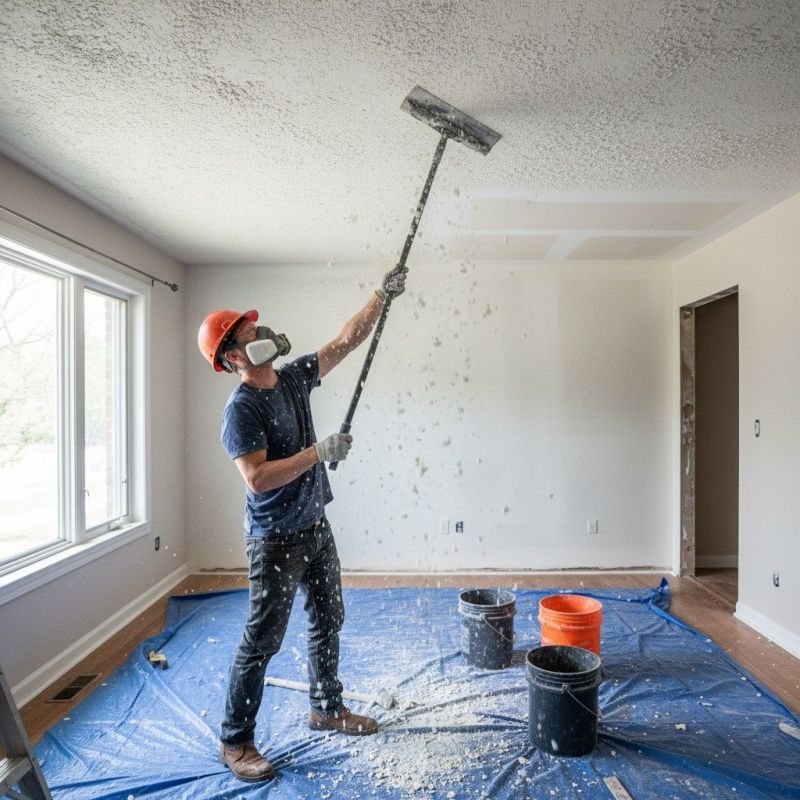
Textured Ceiling Removal in Austin, TX
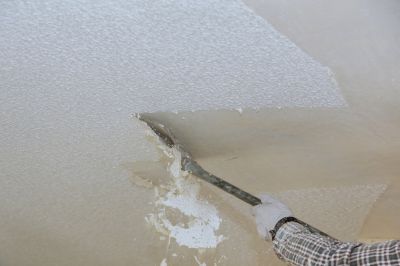
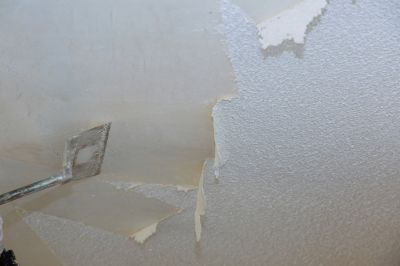
Textured ceiling removal involves taking down existing ceiling finishes that feature patterns such as popcorn, swirl, or other textured designs. This service is often requested during renovation projects or when homeowners prefer a smooth, modern ceiling surface. It typically covers areas like living rooms, bedrooms, hallways, or commercial spaces where textured ceilings have become outdated or damaged, providing a clean and updated appearance.
Before requesting textured ceiling removal, property owners usually want to understand the scope of the work, including potential mess, dust, and the need for surface preparation afterward. It’s also important to consider whether the ceiling contains any materials like asbestos, which require specialized handling. Proper planning ensures the removal process aligns with the overall renovation goals, resulting in a smooth ceiling finish suitable for painting or other decorative treatments.
Many property owners in Austin, TX look into Textured Ceiling Removal for repairs, replacements, upgrades, and appearance-related improvements.
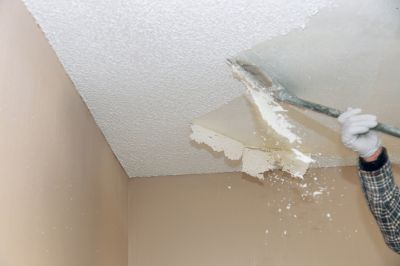
Benefits Of Textured Ceiling Removal
Removing textured ceilings can improve the appearance of a room and make it easier to clean.

Common Projects For Ceiling Removal
Homeowners often choose textured ceiling removal when updating kitchens, living rooms, or bedrooms in austin homes.
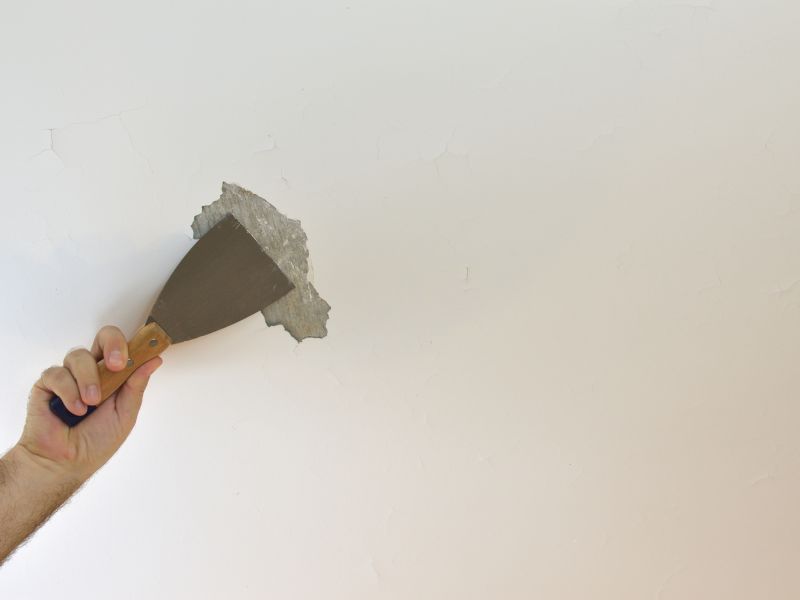
Considerations Before Removal
Proper preparation and understanding of ceiling materials are important for a smooth removal process.
Textured Ceiling Removal in Austin, TX
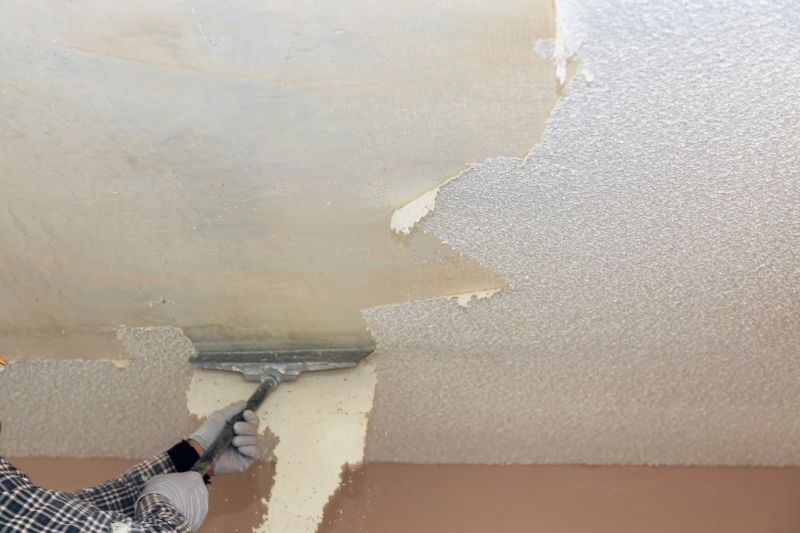
Textured ceiling removal involves taking down existing ceiling finishes that feature patterns such as popcorn, swirl, or other textured designs. This service is often requested during renovation projects or when homeowners prefer a smooth, modern ceiling surface. It typically covers areas like living rooms, bedrooms, hallways, or commercial spaces where textured ceilings have become outdated or damaged, providing a clean and updated appearance.
Before requesting textured ceiling removal, property owners usually want to understand the scope of the work, including potential mess, dust, and the need for surface preparation afterward. It’s also important to consider whether the ceiling contains any materials like asbestos, which require specialized handling. Proper planning ensures the removal process aligns with the overall renovation goals, resulting in a smooth ceiling finish suitable for painting or other decorative treatments.
Many property owners in Austin, TX look into Textured Ceiling Removal for repairs, replacements, upgrades, and appearance-related improvements.
Common Textured Ceiling Removal Jobs
Textured Ceiling Removal - involves carefully stripping away textured coatings for a smooth ceiling finish.
Popcorn Ceiling Removal - eliminates popcorn textures to improve ceiling appearance and address potential asbestos concerns.
Acoustic Ceiling Removal - replaces outdated acoustic textures with modern, flat ceiling surfaces.
Spray Texture Removal - safely removes spray-applied textures to create a clean, uniform ceiling look.
Old Texture Removal - restores ceilings by removing old or damaged textured coatings for a refreshed appearance.
Ceiling Refinishing - prepares and smooths ceilings after texture removal for a polished, updated look.
Textured Ceiling Removal Questions
What is textured ceiling removal? It is the process of eliminating textured finishes from ceilings to create a smooth surface suitable for painting or other finishes.
Why remove textured ceilings? Removing textured ceilings can improve the appearance of a room and address issues like stains, cracks, or outdated styles.
What types of textures can be removed? Common textures such as popcorn, knockdown, and slap brush can be professionally removed to achieve a clean, smooth ceiling.
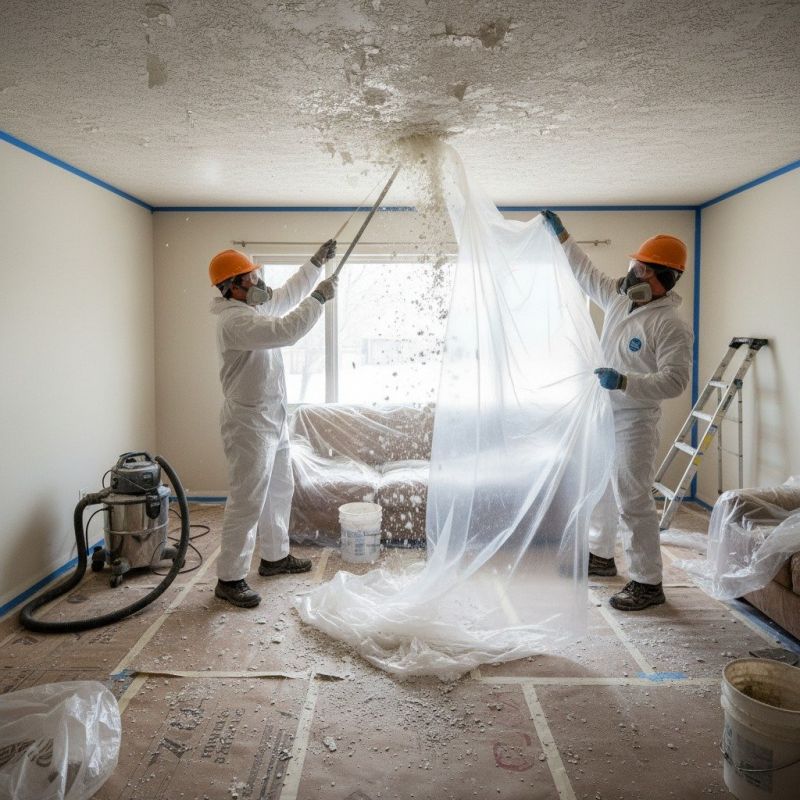
Is textured ceiling removal messy? Proper techniques and containment methods help minimize dust and debris during the removal process.
Request Textured Ceiling Removal in Austin, TX
Use the quote form on this page to share the basics of your project and request more information for the type of work you need.